

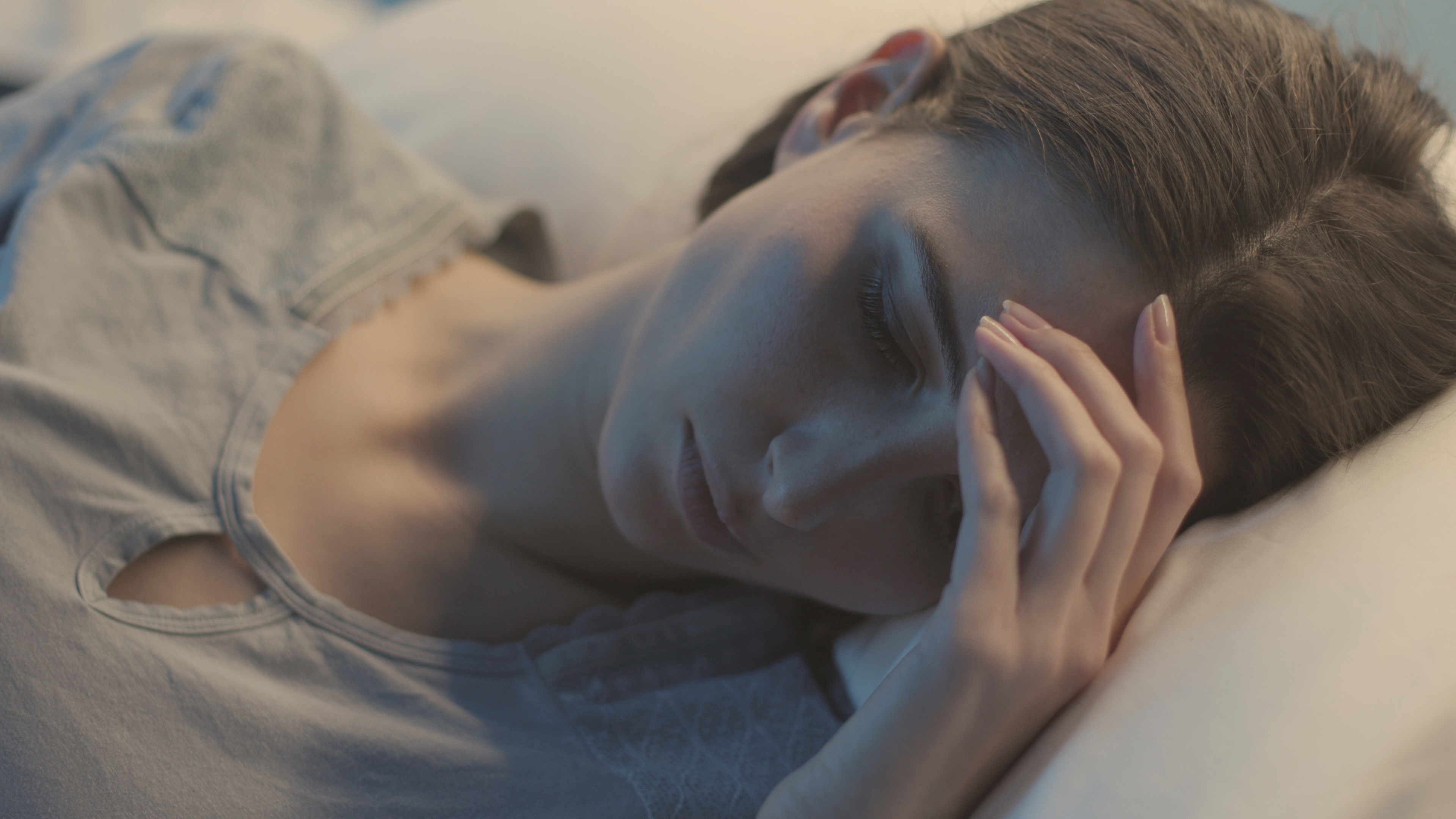
According to the report by the National Sleep Foundation, 60% of adults are not regularly getting the NSF-recommended amount of sleep per night. And the CDC has gone as far as classifying insufficient sleep as a public health problem.
If you are having trouble falling asleep, staying asleep, breathing through the night, or staying awake during the day, there's a good chance it fits into one of the categories below.
The Most Widely Recognized Sleep Disorder Types
The International Classification of Sleep Disorders (ICSD-3) groups sleep disorders into some major categories.
Insomnia: The Most Common Sleep Disorder in the World
Even if you don't know anything about sleep disorders, you must have heard of insomnia. It's estimated that 15 to 20% of adults experience short-term insomnia.
The most common drivers of insomnia include:
Stress and anxiety: Racing thoughts at bedtime are one of the top complaints from people with insomnia.
Depression: There's a bidirectional relationship here; depression disrupts sleep, and sleep disruption worsens depression.
Irregular sleep schedules: Inconsistent wake and bedtimes throw off the body's internal clock.
Sleep Apnea
Sleep apnea is a breathing disorder in which airflow repeatedly stops or shallows during sleep, and obstructive sleep apnea (OSA) is the most common form.
Obstructive vs. Central Sleep Apnea:
In OSA, throat muscles relax and block the airway. In central sleep apnea, the brain fails to send proper signals to the muscles that control breathing.
Watch for these signs:
Loud snoring with pauses or gasping
Morning headaches and a dry mouth
Daytime sleepiness that ambushes you in meetings or traffic
A partner's report that you stop breathing
Restless Legs Syndrome and Other Sleep Movement Disorders
Restless legs syndrome (RLS) is an urge to move your legs, strongest in the evening, that eases when you move and returns when you sit still.
RLS is also one of those sleep conditions closely tied to other health factors:
Iron deficiency
Pregnancy, especially in the third trimester
Kidney disease or peripheral neuropathy
Genetic component
Narcolepsy and Other Causes of Extreme Daytime Sleepiness
It's a persistent brain condition. Overwhelming daytime drowsiness and unexpected sleep spells are the most common symptoms.
There are 2 main types:
Type 1 Narcolepsy brings cataplexy (meaning a sudden loss of muscle tone), often set off by strong emotion, and it is linked to the loss of hypocretin-producing brain cells.
Type 2 Narcolepsy involves severe daytime sleepiness without cataplexy.
Additional symptoms can include sleep paralysis and hypnagogic hallucinations.
Circadian Rhythm Disorders
Circadian rhythm sleep-wake disorders occur when your internal clock and your daily schedule do not match.
Delayed sleep phase: you cannot fall asleep until the small hours, and early mornings feel brutal.
Shift work disorder: insomnia and sleepiness tied to night or rotating shifts.
Jet lag: a short-term mismatch that occurs after crossing different time zones.
Parasomnias
Parasomnias are unwanted actions or experiences that happen as you fall asleep, sleep, or wake. They include sleepwalking, night terrors, and sleep talking.
Most episodes are harmless, but injuries happen in parasomnias. To avoid any mishap, clear the floor, secure windows, and lock outside doors if you or your child walks at night.
Experiencing Sleep Disorders? These Signs Indicate That You Should Get Treatment
Get checked if a sleep disorder keeps hurting your days for several weeks, or sooner if you gasp in your sleep, act out dreams, or fight sleepiness behind the wheel.
These signs call for a professional evaluation:
Daytime sleepiness that affects work, school, or driving
Breathing pauses or choking that someone else notices
Dream enactment or injuries during sleep
Leg discomfort that steals your sleep
Low mood or constant worry alongside poor nights
Get Expert Care for Sleep Disorders at BNBA
If your nights match anything on this list of sleep disorders, you need to connect with BNBA. They help you work out which of the different types of sleep disorders is behind your symptoms, then build a treatment plan for it.
Book a consultation with Boston Neurobehavioral Associates and get clarity on your mental or behavioral health problem.
Frequently Asked Questions About Sleep Disorder Types
What Are the Most Common Sleep Disorders?
Insomnia, obstructive sleep apnea, restless legs syndrome, narcolepsy, circadian rhythm disorders, and parasomnias.
What Is the Difference Between Insomnia and Sleep Apnea?
Insomnia is trouble falling or staying asleep despite a chance to rest. Sleep apnea is repeated breathing interruptions during sleep.
Are Sleep Disorders Curable?
Most sleep disorders are not curable, but they are highly treatable or manageable.