
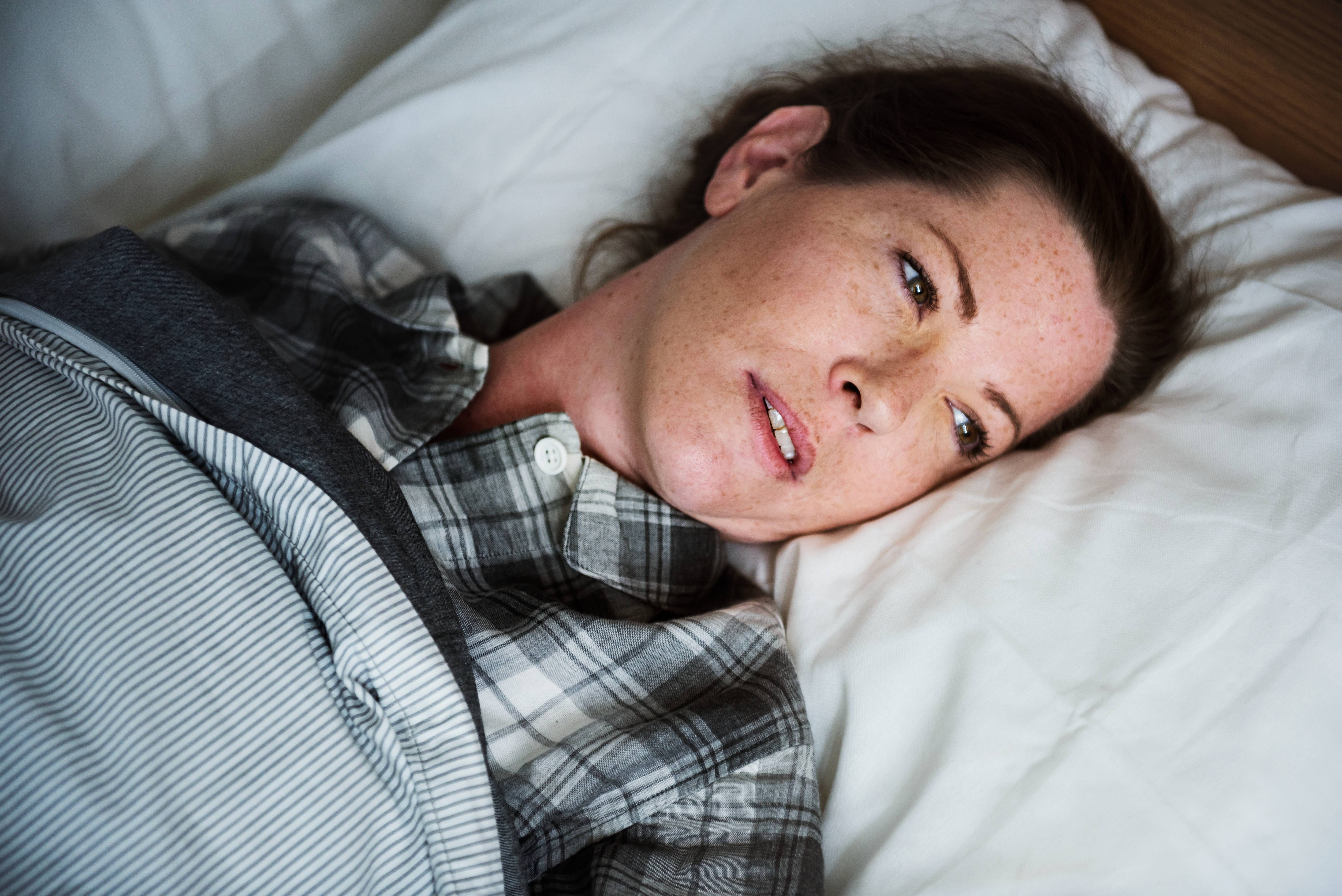
A bad night here and there is something most people push through. But when poor sleep becomes the norm, you should pause and get it checked. Statistics say that every 3 in 10 adults get less than 7 hours of sleep in a day.
Sleep disorders, across most types, respond very well to treatment. New Jersey residents have access to a range of behavioral, medical, and lifestyle-based interventions that have been validated by decades of research.
Let’s explore the treatment options for sleep disorders in New Jersey.
What Are the Treatment Options for Sleep Disorders in New Jersey?
There are different types of sleep disorders, and they require different lines of treatment. What connects the best outcomes across all of them is early and targeted treatment from a qualified specialist.
Below is a breakdown of the main treatment approaches used in New Jersey.
Cognitive Behavioral Therapy for Insomnia (CBT-I)
CBT-I is widely considered the gold-standard first-line treatment for chronic insomnia because it significantly reduces the severity of insomnia. It targets thoughts and behaviors that perpetuate poor sleep.
A typical CBT-I program covers sleep restriction therapy, stimulus control, cognitive restructuring around sleep anxiety, and sleep hygiene education.
Prescription Medications for Sleep Disorders
Medication is not always the first step, but it plays a meaningful role in certain cases.
Main prescription drug classes for Insomnia are:
Non‑benzodiazepine “Z‑drugs”
Benzodiazepines
Low‑dose tricyclic antidepressants
Sedating antidepressants (off‑label)
CPAP Therapy and Oral Appliances for Sleep Apnea
Obstructive sleep apnea is a sleep disorder. The primary treatment is Continuous Positive Airway Pressure (CPAP) therapy, where a machine delivers pressurized air through a mask to keep the airway open throughout the night.
CPAP is highly effective. Studies show that consistent CPAP use significantly reduces apnea. For patients who cannot tolerate CPAP, custom-fitted oral appliances, also called mandibular advancement devices, can be used.
Light Therapy for Circadian Rhythm Disorders
If your sleep problem involves being unable to fall asleep until 3 AM, or feeling exhausted at noon but wired at midnight, the issue may be circadian in nature. In this disorder, your internal body clock is misaligned with the normal sleep-wake schedule.
Light Therapy uses artificial light boxes or lamps that deliver 2,500 to 10,000 lux of UV-filtered, full-spectrum light. It is one of the most effective interventions for conditions like Delayed Sleep Phase Disorder and Seasonal Affective Disorder-related sleep disruption.
Lifestyle Changes to Improve Sleep
Small, repeated changes to your daily routine won't cure a diagnosed sleep disorder. But they lower the baseline difficulty your body is working against every night.
Keep a fixed wake time: Get up at the same time every day.
Cut evening caffeine and alcohol: Caffeine's effects can linger for five to six hours, and alcohol disrupts the second half of the night.
Build a real wind-down routine: Give yourself 30 to 60 screen-free minutes before bed. Include reading, showering, or stretching in your night routine to prevent sleep disorders.
Protect your bedroom environment: Keep the room cool and dark to promote restful sleep.
Move your body earlier in the day: Exercise improves sleep quality.
When Should You See a Specialist to Treat a Sleep Disorder in New Jersey?
If you have noticed that your sleep has been disrupted for more than a few weeks, you should consider consulting with a sleep specialist in New Jersey or near your area.
Signs it's time to make that call include:
Trouble falling or staying asleep three or more nights a week for three months or longer
Loud snoring, gasping, or witnessed pauses in breathing during sleep
Excessive daytime sleepiness despite spending enough time in bed
An uncomfortable urge to move your legs that worsens in the evening
Sleep problems that showed up alongside anxiety, depression, or PTSD symptoms
People tend to underrate that last point. Sleep and mental health run in both directions. Sleep and mental health are connected. So, it is better to address both.
How to Choose the Right Sleep Disorder Treatment in New Jersey?
The best sleep disorder treatment in New Jersey or anywhere in the USA is the one that matches your actual diagnosis.
A few things worth weighing as you choose a provider:
Insist on proper testing. Insomnia, sleep apnea, and restless legs syndrome all need different diagnostic tools, so choose a provider who orders the right ones.
Look for integrated behavioral health care.
Check whether telehealth is an option. For many New Jersey residents, BNBA's telehealth services make it possible to start treatment without taking time off work.
Confirm the provider's credentials. Always consult with board-certified psychiatrists and sleep-trained clinicians.
Ask how ongoing care works because sleep treatment needs adjustments. Finding the right provider in New Jersey means finding one you'll actually stick with.
Struggling with Sleep Disorders? Boston Neurobehavioral Associates Can Help
If sleep has felt like something you're fighting instead of something that just happens, Boston Neurobehavioral Associates can help you find out why.
BNBA's psychiatrists treat sleep disorders alongside the anxiety, depression, or stress that often travels with them. That makes BNBA one of the more complete options for sleep disorder treatment in New Jersey and other states in the USA.
FAQs
How do I know if I have a sleep disorder or just bad sleep habits?
Bad sleep habits can usually be corrected through consistent sleep hygiene changes within a few weeks. A sleep disorder is when it does not get resolved with basic lifestyle adjustments.
What is the best treatment for sleep disorders?
It depends on the diagnosis. CBT-I is the most effective first-line treatment for chronic insomnia, while CPAP is the standard for obstructive sleep apnea. No single treatment works best across every sleep disorder.
Can sleep disorders be treated without medication?
Often, yes. CBT-I, CPAP, oral appliances, light therapy, and sleep hygiene changes are all non-drug treatments and are frequently used as the first approach. Medication is sometimes added on top.