

Seasonal Affective Disorder (SAD) & Seasonal Depression
We are located in Massachusetts, Rhode Island, New Jersey, Maryland, Illinois, New York, and Florida.
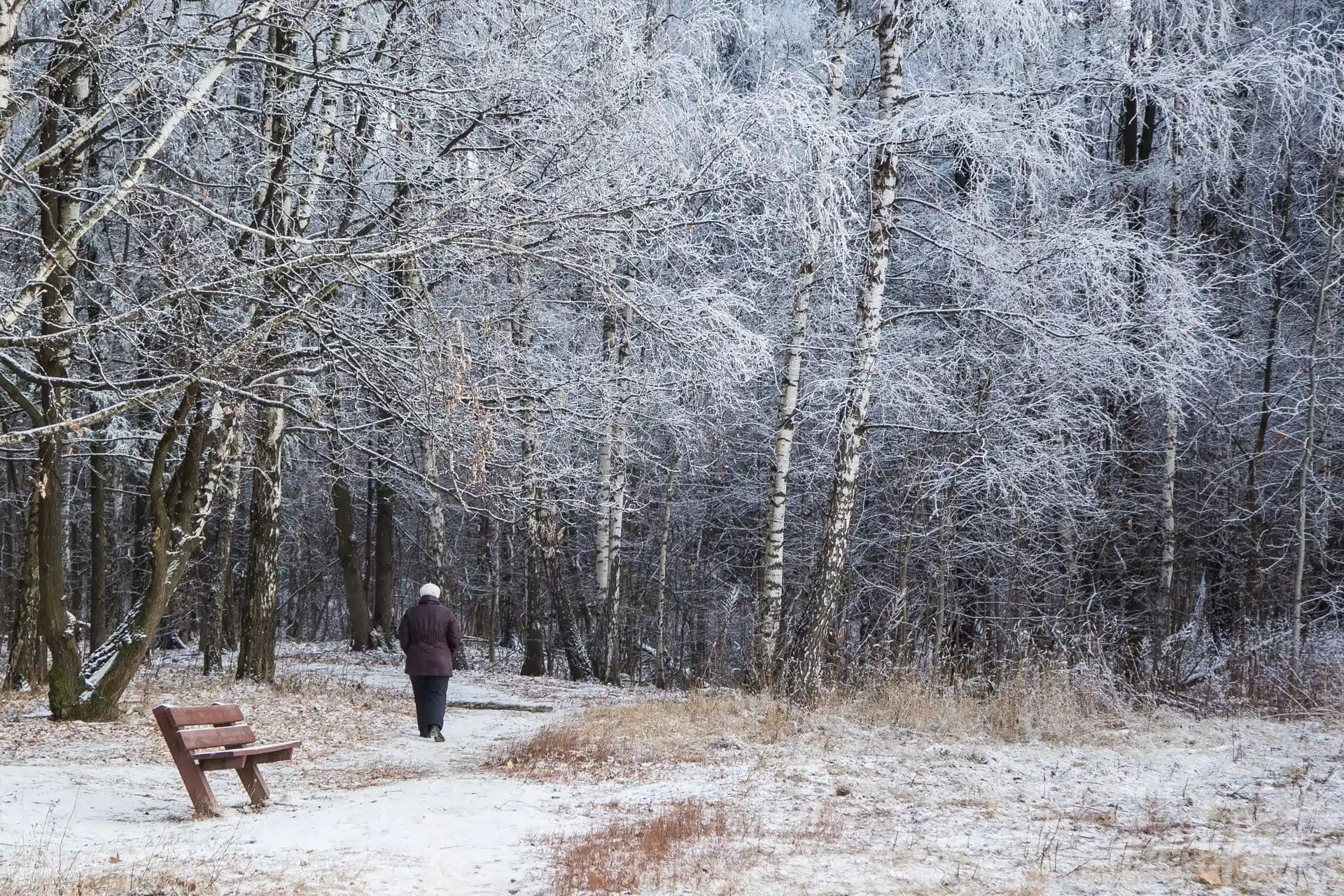
Seasonal Depression in Fall and Winter
If the shorter days start weighing on you before the leaves have even turned yellow, you're not imagining it. Seasonal affective disorder (SAD) is a type of depression that follows the seasons, and for most people it settles in during the Fall and lifts in Spring.
Your body clock takes its cues from daylight. As the days shorten, it can slip out of rhythm, and your sleep and mood often slip with it. Across much of the country, December brings fewer than ten hours of daylight, so many people go to work and come home in the dark for weeks at a time. And because SAD shows up around the same time every year, a lot of people stop noticing it and just call it Winter. It's more than just the dull weather though. When should you seek help for seasonal depression?
At BNBA, our psychiatrists and therapists offer specialized care for your depression and anxiety concerns throughout the seasons. Whether you're looking for therapy for the dark weather or just need some extra support as you go through the cold seasons, you don't need to do it alone.
In addition, our team can also provide Seasonal Affective Disorder treatment – both through telehealth and in-person visits. Starting care in the early Fall season can give you the right treatment or counseling time before the darkest days arrive.
Locations: Massachusetts, Rhode Island, New Jersey, Maryland, Illinois, New York, Florida
Symptoms of Seasonal Depression in Winter
Seasonal affective disorder brings the same symptoms as depression, just on a schedule. These symptoms can start showing up as early as Fall and gradually get better by the Spring time. Early signs are easy to miss because they look like fatigue or exhaustion: sleeping longer, dragging yourself through the afternoon, or wanting to stay in all day. Some people also feel anxious, and the pattern repeats each year.
It's important to note when your burnout or fatigue starts feeling like a consistent problem affecting your daily life activities and doesn't go away. That's usually a signal that it's a good time to seek professional support. There's nothing wrong with amping up your mental health support resources during these colder months, to help make the season a little easier to get through. Mental health is just as important as your physical health, if not more.
Signs of seasonal depression to watch for:
- Low Mood Most Days
- Sleeping More Than Usual
- Constant Fatigue
- Carb Cravings and Weight Gain
- Anxiety or Restlessness
- Losing Interest in Hobbies (Anhedonia)
- Pulling Away From People
- Trouble Concentrating
- Feeling Hopeless
If this sounds familiar and it comes back every year, a psychiatrist can tell you whether it's SAD or a different form of depression. In any case, your first consultation can be our first step to building better support resources for you.
How is Seasonal Affective Disorder treated at BNBA?
Treatment depends on how serious your symptoms are and when they began; most people do best with a mix of care options or support resources. Our support services are available in-person at our clinics and also via telehealth.
- Psychiatric Evaluation: Your adult psychiatry visit can help us confirm whether you're struggling with SAD or another type of depression.
- Medication Management: Antidepressants or SSRIs, with medication management to adjust the dose as needed.
- CBT and Talk Therapy: Individual therapy can help you break bad Winter habits and manage anxiety that comes with depression.
- TMS and Spravato: We also offer TMS therapy and Spravato for depression that hasn't improved, in Dartmouth, MA, and Worcester, MA.
There's no requirement for our clients to do both medication and therapy with BNBA. If you think it's useful to start with a counseling session, we will build your care model according to your needs. Feel free to reach out to get more information on these resources.