
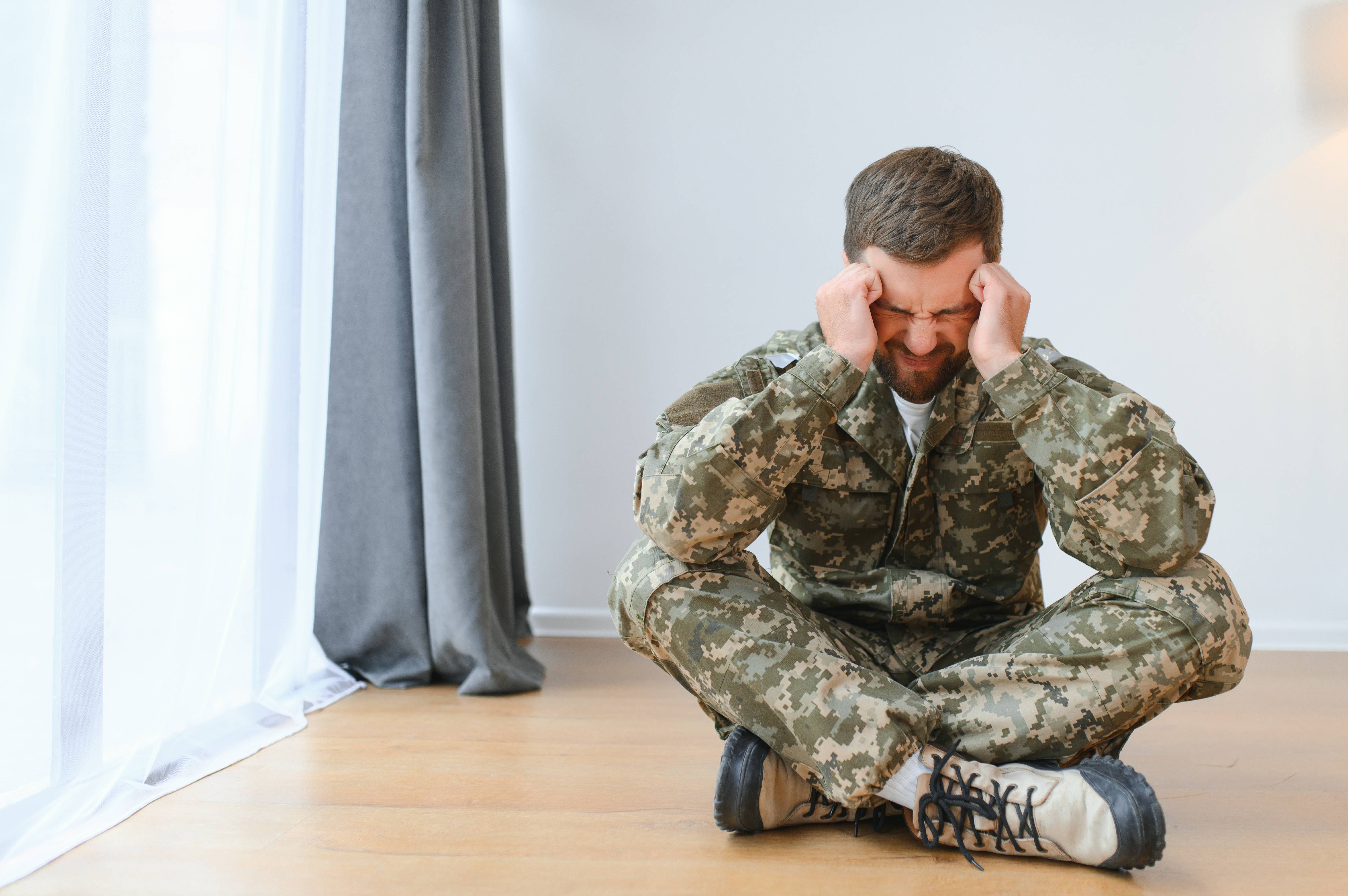
PTSD feels like you are in a survival mode all the time, even after the trauma is over. This constant tension shuts down your mental and emotional health.
Many people live with PTSD, and apparently, they have pretty normal lives with friends, family, and partners. But underneath, they feel like their body is breaking apart, and they feel numb to emotions.
If you don’t treat PTSD at the right time with the appropriate therapies and medication, it can slowly disrupt your routine.
Common Signs of Untreated PTSD
PTSD can get worse over time, and if you leave it untreated, it can damage both mental and physical health in the long-term.
The following are the prominent signs of PTSD if you don’t get it treated over a long period of time.
1. It looks like things you always thought were just "you": The confusing contradiction of being fiercely hyper-independent while also desperately wanting someone to just take care of you for once. They are survival patterns for people who suffer from PTSD from a young age.
2. You start shrinking yourself: You stop going to parties, events, or any kind of gathering, even funerals. You limit yourself to the point that you start to feel lonely.
3. It looks like sneaking around, even in your own home: Stopping the microwave before it beeps. Softly opening and closing doors. Moving through your own space as quietly as possible, so no one knows you're there. A lot of people suffering from PTSD think it is normal.
4. You feel like your body is constantly on edge, even when life is objectively okay: Tense body looks like,
- Chronically tense muscles.
- Jaw clenching that massages and stretching can't seem to touch.
- Sweating in a 30-degree room.
- A full-body chill in the middle of a hot shower.
If you are experiencing it for a long time, you might have PTSD.
5. It looks like memory that has strange gaps: You feel like waking up at age 12 with no memory of childhood. You are able to sum up your entire childhood in a sentence because the rest is either blank or just a feeling.
6. It looks like emotional numbness paired with sudden explosions: One moment you're completely shut off, and then something small tips you over the edge, and it all comes out. Neither state feels predictable or controllable.
7. You start self-medicating to get through the day: Without the right support, a lot of people reach for alcohol, substances, overworking, or other ways to quiet the noise. It further worsens the condition.
Can the Brain Actually Go Back to Normal After PTSD?
Yes, the brain can effectively recover from PTSD through neuroplasticity. Neuroplasticity can effectively solve or rewire the brain to recover from the trauma. It helps you decrease the volume of activity in the amygdala, which helps you feel less "on edge."
According to the WHO, 70% of people face traumatic events in their lives, and up 40% of people recover from PTSD within one year.
People who go through trauma-focused treatments often describe it as the memory losing its grip. It still happened, but it stopped hijacking the body and mind the way it once did. The more they heal, the more they remember. Not just the hard stuff, the good stuff too. Happy moments from childhood that had been buried start coming back.
Get Affordable Online Therapy for PTSD
If any of this sounds familiar, whether for yourself or someone you care about, you must seek treatment. You don't need a perfect understanding of your own history to know that something has been off.
Our mental health experts and professional therapists provide in-person and virtual therapy services to help you out. Get an appointment today to connect with a licensed mental health provider.