
What is Good Stress
Many things in our daily lives cause us stress. The difference between good and bad stress is how long it lasts. Stress that is brief is known as good stress or acute stress.
Good stress helps us grow as humans. It challenges us to expand our physical and mental capabilities as our body and mind rejuvenate in response to stress.
This is one of the principles in exposure therapy. Where short bursts of acute focus on a past fear can desensitize future triggers. This is an example of using a stress response as a tool rather than an obstacle.
Examples of Good Stress
- A run
- Doing homework
- Solving a problem
- Having a hard conversation
- Anything that feels difficult but brief
The Key to Recovery
The key to recovery is taking rests in between the spikes of stress. By taking a break and resting the body and mind have time to heal. When there’s no time to heal, stress becomes something different.
What is Bad Stress
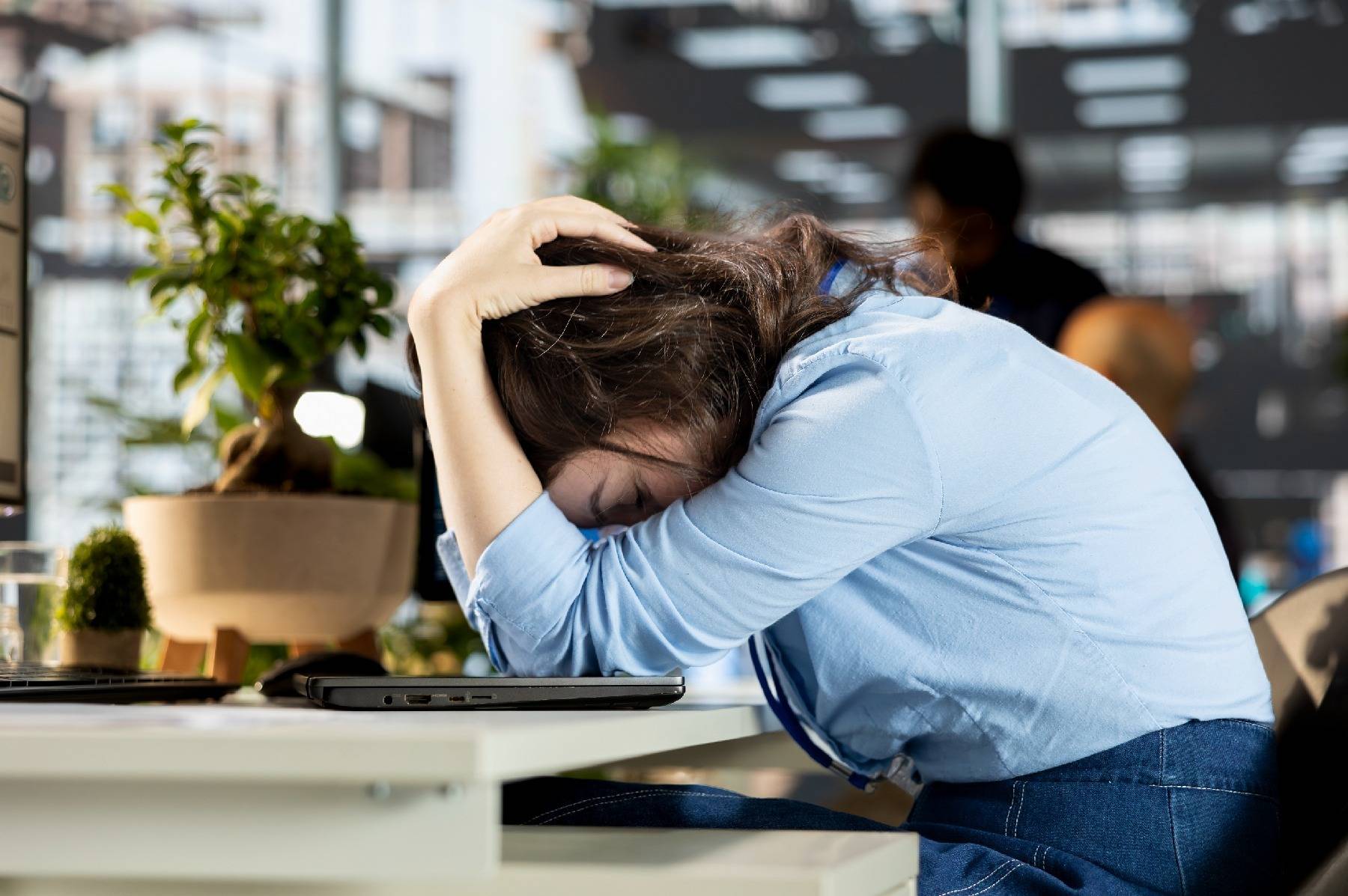
Bad stress is also known as chronic stress. This is chronic exposure to adrenaline, cortisol and inflammatory molecules both in the body and mind. It’s a constant state of fight or flight.
When always on high alert, the body adapts in a bad way.
The Body's Response
When this happens, the mind and body are exposed to adrenaline, cortisol, and inflammatory molecules known as catecholamines which drown the rational part of the brain. All of the body’s energy goes to the muscles and vital organs, preparing the body to react. Leaving the mind to starve and fend for itself. Throughout evolution, this is what we needed to run from a bear, this response was good. It was quick. It was and is good stress.
But in the modern world, when this response is chronic and endless and no longer needed, the brain is left without the energy or time it needs to maintain a healthy, positive state.
Physical Signs
Without a break from stress, the rest of the physical body develops:
- High blood pressure
- High cholesterol
- Obesity
- Etc.
These are the visible signs of long-term, bad stress.
Stress and Mental Illness
As chronic stress becomes inescapable, early signs of mental illness can develop. Conditions like depression or anxiety are the invisible signs that develop alongside the physical, measurable issues.
Changes in Consciousness
Without rest and with no end in sight, our level of consciousness begins to change. The brain simply doesn’t have the energy it needs to sustain its normal function. This change looks like:
- Negative self talk
- Doom scrolling
- Poor hygiene
- Lack of socializing
- Increased fear
- And more
When the mind and body remains inflamed from these stress chemicals for days, weeks, months, or years, the inflammation alters how the body responds to the happy or sad chemicals it produces. This then affects our diet and our willingness to exercise which then affects every other system.
Getting Help
Preventing a spiral or catching one before it begins is where professional counseling and our team of trained psychiatrists can help.
Often, it becomes necessary to stabilize these reactions to stress with the right mixture of medications and weekly therapy.
That’s why it’s important to have a consistent and trusted provider who understands these triggers and is one step ahead.
Get an Answer Today
More than anything, knowing what is causing you chronic stress can be essential to improving your mental health. Sometimes it’s a poor diet. Sometimes it’s a lack of exercise. Sometimes the cause is much deeper.
Counseling with a therapist or speaking with a psychiatrist at BNBA can offer guidance as to whether or not what you’re experiencing is typical, detrimental, or something more serious.
Schedule an appointment to speak with one today.
Author
Scott Arno
Physician Assistant
Boston Neurobehavioral Associates