

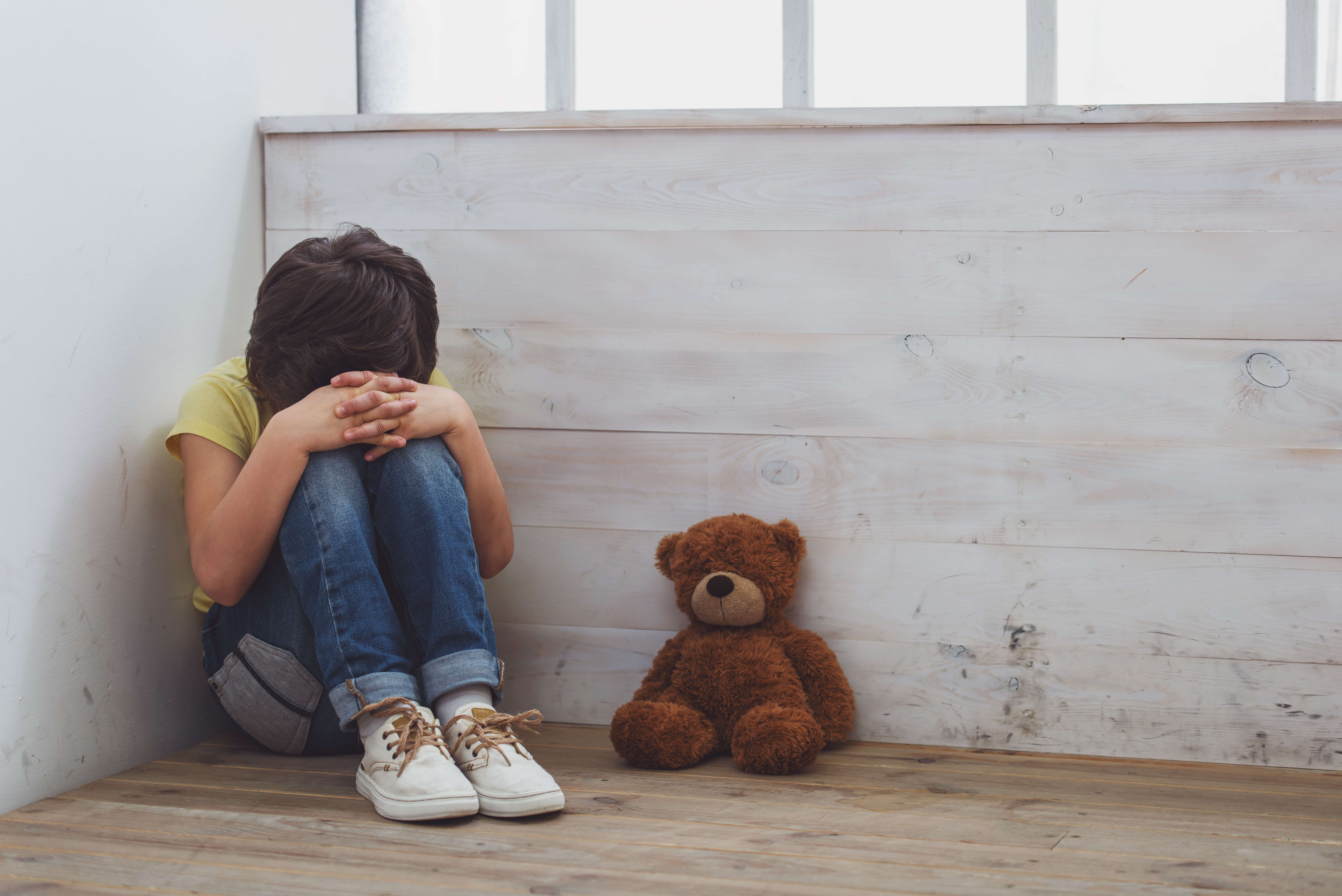
A depressed child does not really say that he is feeling hopeless or sad. They slam doors, push breakfast away, or stop answering when you call them for dinner. Many parents assume it is a personality trait or an attitude problem.
According to the C.S. Mott Children's Hospital National Poll on Children's Health at the University of Michigan, for 40% of parents, it is hard to differentiate between normal ups and downs and depression. 30% of the parents said that their kids are good at hiding their feelings.
All of these reasons accumulate and make it difficult for a parent to identify the signs of depression in their children.
Early Signs of Depression in Children That Hide in Plain Sight
These are the changes parents tell therapists they wish they had caught sooner.
Anger and Irritability That Seem Out of Proportion
Anger, a short fuse, and meltdowns over tiny things are among the most common childhood depression warning signs. If your easygoing child has turned cranky, oppositional, or tearful, with reactions far bigger than the situation, you should not take it lightly.
Losing Interest in Things They Used to Love
If a child has lost interest in activities and hobbies that they used to love (let's say painting or dancing), it is a clear sign that something is wrong. When you ask, they say they are fine. The pattern can look like this: they are not swapping one hobby for another; they have stopped wanting anything at all.
Pulling Away From Family and Friends
Kids and teens are generally lively and bubbly. If they are suddenly withdrawing from family and friends, skipping meals, and not hanging around even with their favorite people, it's a warning sign.
A study following 702 children over 15 years found that children who showed social withdrawal at age 5 were more likely to experience social difficulties during adolescence.
Unexplained Headaches and Stomachaches
Children often feel emotional pain in the body first. Child stomachaches and headaches linked to depression are common in younger kids. If your pediatrician has ruled out medical causes and the complaints keep coming back, you need to pay attention.
Changes in Sleep Patterns
Sleep changes and depression often travel together, both in kids and adults. Appetite can jump or drop too. So, if you are seeing these changes for several weeks, consider getting your kid professional support.
Harsh Self-Talk and Low Self-Worth
Sometimes kids feel low or unmotivated, and that's fine. But if they are repeatedly saying that "I'm stupid," "I'm ugly," or "I'm a terrible friend", it shows that they need help. Depressed children tend to judge themselves harshly, ask for constant reassurance, and apologize for everything.
As a parent, ask gently where those thoughts come from.
There is a Difference Between Depression and Normal Childhood Moodiness
Depression and ordinary childhood moodiness can look similar, but the biggest differences are duration, severity, loss of enjoyment, and impact on daily life.
Note that this table is intended for general awareness only and should not be used to diagnose childhood depression.
If your gut says their emotional outburst is more than a phase, take that seriously. Many parents later say they wish they had trusted their gut sooner.
When to Worry About Child Sadness
These are the signs of depression in children that you should not ignore.
Sadness, irritability, or a flat mood lasting two weeks or longer
Statements about death, disappearing, or being a burden
Marks on the skin or talk about hurting themselves
Refusing school, meals, or all contact with friends
A sharp drop in grades or sudden alcohol or drug use
A long slump after a loss, a move, or bullying
You do not need to wait out the two weeks if your child is having suicidal thoughts. In the US, call or text 988, the Suicide & Crisis Lifeline, or go to the nearest emergency room in severe cases.
What to Do If Your Child Is Depressed
Support from parents and friends can be a great help for a depressed child. Even with support at home, some kids don't recover. In such cases, a professional therapist can help.
Book a pediatric visit: Rule out medical causes for fatigue, aches, and sleep trouble.
Ask for a child therapist or psychiatrist: Talk therapy, such as cognitive behavioral therapy or family therapy, is often the first step. A prescriber may add medication in some cases.
Tell the school: A counselor or teacher can watch for changes and ease pressure while your child recovers.
Protect the basics: Keep regular sleep, meals, daily movement, and time outdoors, with family time that has no pressure attached.
Look after yourself as well: As a parent, you also need support when caring for your family. Make sure your child doesn't see you stressed.
Get Help for Your Child's Depression With BNBA
If these signs sound familiar, you do not have to work out the next step alone. Boston Neurobehavioral Associates provides child and adolescent therapy and child depression treatment.
Our professional mental health experts listen to what you have noticed, assess whether it is depression, anxiety, or both, and build a plan around your child and your family.
Book an appointment with BNBA for a complete assessment.